Nutrient Roles in Maintaining Physiological Balance
Comprehensive overview of how macronutrients and micronutrients function within cellular and systemic metabolism
Introduction
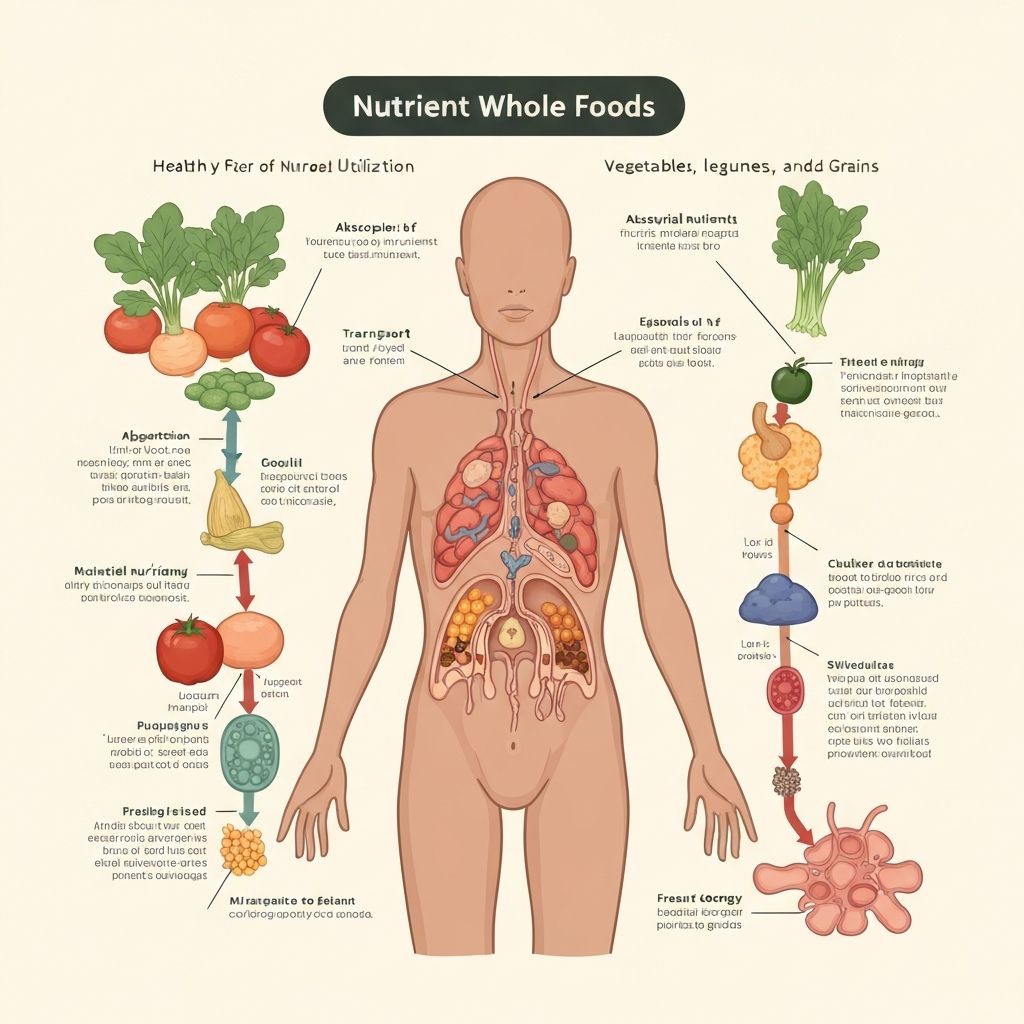
Nutritional intake provides the chemical substrates necessary for cellular function, energy production, tissue synthesis, and maintenance of physiological equilibrium. Different nutrient categories serve distinct roles within metabolic processes, and their interactions create complex nutritional dynamics that influence overall physiological function.
This article examines the specific roles of macronutrients (carbohydrates, proteins, and lipids) and micronutrients (vitamins and minerals) in supporting physiological processes.
Macronutrient Functions
Carbohydrates
Carbohydrates serve as a primary energy substrate, particularly for the central nervous system and red blood cells, which preferentially utilize glucose. Dietary carbohydrates are digested into monosaccharides (primarily glucose), absorbed into the bloodstream, and distributed to cells for energy production through cellular respiration.
Excess carbohydrate intake is converted to glycogen for short-term storage in liver and muscle, or to lipids for long-term energy storage. Blood glucose levels are carefully regulated through insulin and glucagon secretion, as both hyperglycemia and hypoglycemia can impair physiological function.
Carbohydrate quality—the fiber content, processing level, and accompanying nutrient density—influences post-consumption blood glucose response and subsequent hormonal adjustments.
Proteins
Dietary proteins are digested into constituent amino acids, which are subsequently utilized for multiple purposes. Approximately 20 percent of ingested protein is oxidized for energy production. The remaining amino acids are utilized for synthesis of structural proteins (muscle, bone, collagen), functional proteins (enzymes, hormones), and various regulatory molecules.
Muscle tissue contains substantial protein content and serves as a reservoir of amino acids during periods of inadequate dietary protein intake. Physical activity, particularly resistance training, promotes protein synthesis and can increase protein requirements above sedentary levels.
Protein demonstrates the highest thermic effect among macronutrients and influences satiety signalling, affecting subsequent appetite and intake patterns.
Lipids
Dietary lipids serve multiple functions: energy substrate providing 9 kilocalories per gram (compared to 4 kilocalories per gram for carbohydrates and proteins), structural component of cell membranes, and precursor for hormone synthesis. Certain fatty acids cannot be synthesized by the body and must be obtained from dietary sources—these essential fatty acids participate in inflammatory regulation and cellular signalling.
Lipid oxidation (fat burning) provides sustained energy, particularly during lower-intensity activity. Adipose tissue accumulates excess energy as triglycerides and releases free fatty acids during periods of energy deficit, serving as a fuel source and endocrine organ producing signalling molecules.
Micronutrient Functions
Vitamins
Vitamins function primarily as cofactors in enzymatic processes essential to metabolism. B vitamins (thiamine, riboflavin, niacin, pantothenic acid, pyridoxine, cobalamin, folate) participate in energy metabolism, amino acid metabolism, and nucleic acid synthesis. Vitamin A supports vision and immune function. Vitamin C participates in collagen synthesis and acts as an antioxidant. Vitamin D influences calcium absorption and immune regulation. Vitamin E functions as an antioxidant.
Fat-soluble vitamins (A, D, E, K) can accumulate in body tissues, while water-soluble vitamins (B complex, C) are not stored to significant degree and require regular dietary intake.
Minerals
Minerals serve structural roles (calcium and phosphorus in bone), regulatory roles (sodium, potassium, magnesium in cellular signalling and nerve transmission), and catalytic roles (zinc, iron, copper, selenium as enzyme cofactors).
Iron functions in oxygen transport and electron transfer during energy production. Zinc participates in protein synthesis and immune function. Magnesium contributes to over 300 enzymatic reactions. Calcium influences muscle contraction, nerve transmission, and bone density. Sodium and potassium maintain osmotic balance and membrane potential.
Nutrient Interactions and Body Composition
The balance among macronutrient classes influences physiological outcomes. Higher protein intake, particularly in the context of resistance training, supports muscle tissue maintenance and synthesis. The proportion of energy derived from carbohydrates versus lipids influences blood glucose dynamics and insulin secretion patterns.
Micronutrient availability influences the efficiency of metabolic processes. Deficiencies in essential micronutrients can impair metabolic function and create health complications. However, excess micronutrient intake beyond physiological requirements typically provides no additional benefit and may create toxicity risk in some cases.
Individual responses to particular nutrient compositions vary based on genetic factors, existing metabolic state, physical activity patterns, and other variables. Optimal nutrient ratios differ across individuals and contexts.
Summary
Nutrients serve essential functions in energy production, tissue synthesis, and regulation of physiological processes. Macronutrients provide energy and building blocks, while micronutrients enable efficient enzymatic function. The complex interactions among nutrients and their effects on physiological processes reveal that nutritional adequacy involves multiple dimensions beyond simple caloric intake.
Educational Disclaimer
This article presents educational information on nutritional physiology. It is not medical advice, and individuals should consult qualified healthcare professionals regarding personal nutritional needs or dietary decisions. Information is current as of February 2026.